
Gazelle Wind Power, unlocking 80% of global offshore wind potential: 10 questions for founder Jon Salazar
What is the 10-questions interview? Regularly, we interview a promising startup or scale-up in the climate & energy tech ecosystem and ask them our 10 questions to showcase their technology, inspire the sector with their ambition and better understand their needs. With our platform (ZERO), we want to put these bold innovators on a pedestal and introduce them to our audience. Do you want to connect with this startup/scale-up, feel free to contact us at [email protected]!
1. Could you briefly introduce yourself, who are you and what makes you tick?
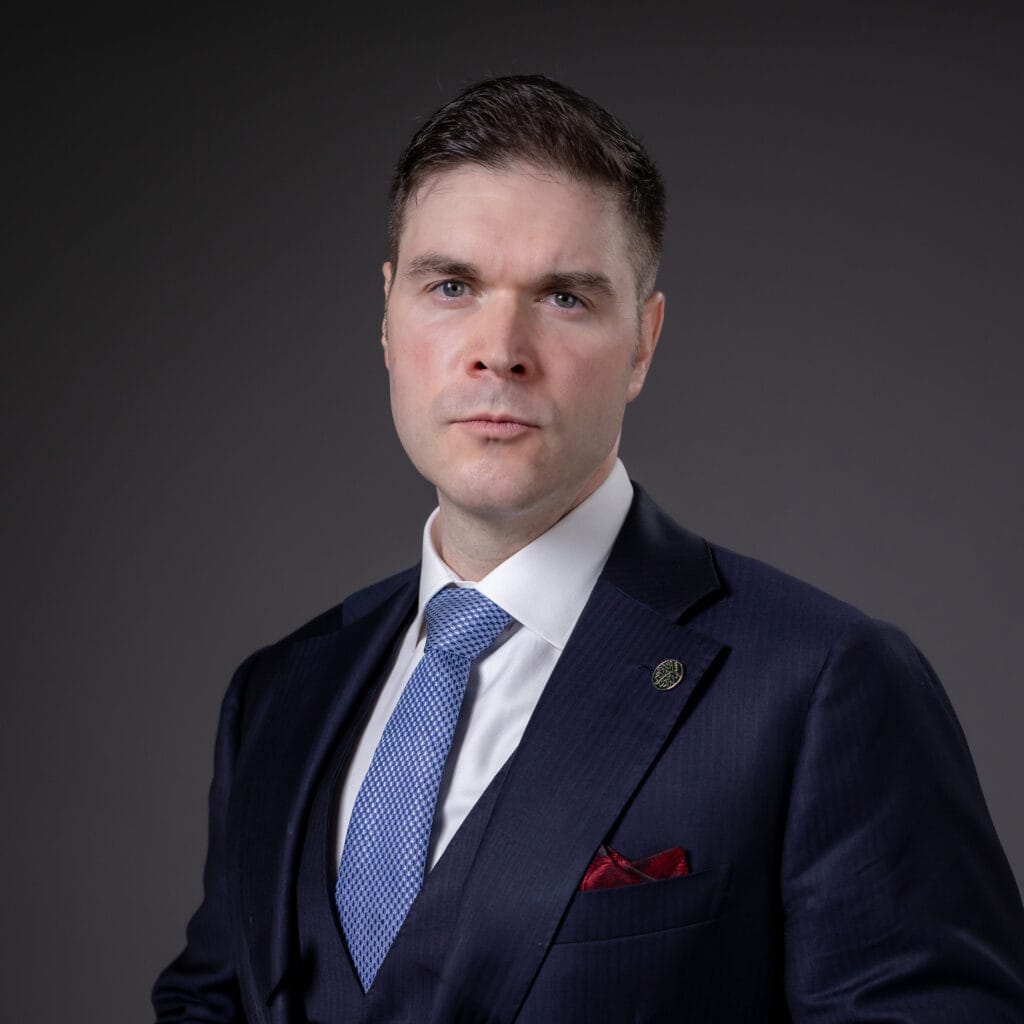
I am Jon Salazar, Founder and CEO of Gazelle Wind Power. I am an entrepreneur focused on scaling technologies that can have a meaningful impact on people, industry and the planet. My background is in telecommunications, electrical and software engineering, and I later worked across finance, risk management and entrepreneurship. In my previous venture, I had constant exposure to deal flow and investment opportunities, which gradually drew my attention towards renewable energy
What makes me tick is the conviction that imagination, technology and courage can help humanity solve very large problems. Floating offshore wind offered exactly that kind of opportunity: a way to help unlock one of the major bottlenecks in the energy transition.
Gazelle also has a very personal origin for me.
The core principle behind the technology was conceived by Dr Antonio García, a naval engineer, mathematician and long-time mentor. I understood the importance of not allowing such a breakthrough to remain unrealised. That combination of personal connection, technological conviction and global need is what led me to exit my previous venture, invest personally, found Gazelle and fully commit to building the company.
2. What is the core of your mission (the bold goal) that you are pursuing?
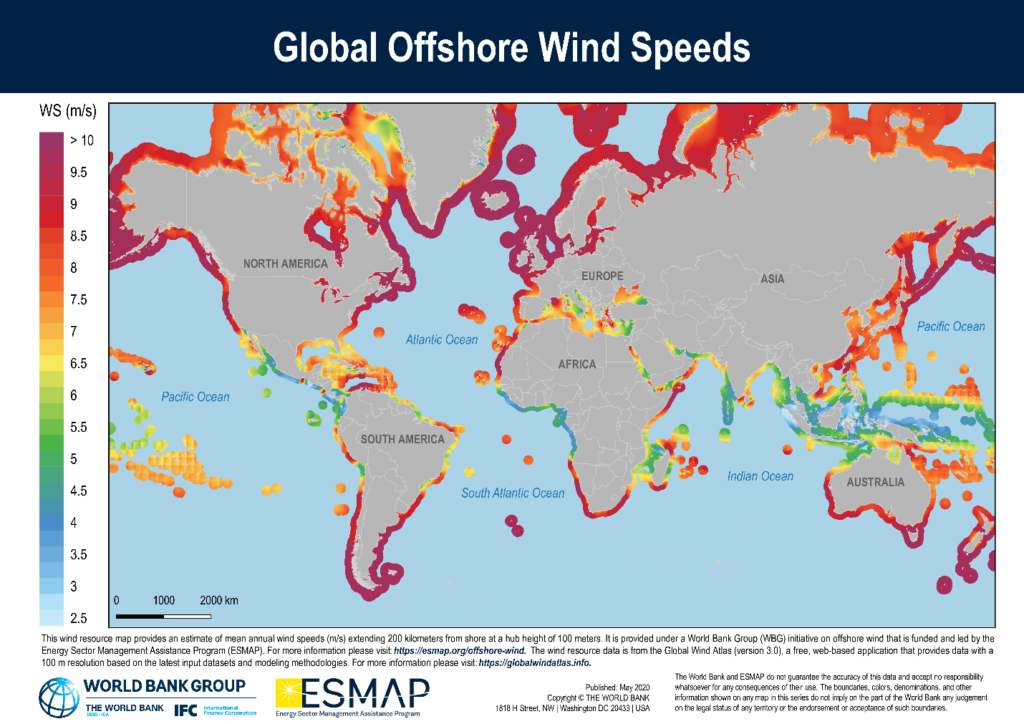
Our bold goal is to make deep-water offshore wind affordable, scalable and bankable. Most people are familiar with offshore wind turbines fixed to the seabed. This has allowed offshore wind to grow in shallow waters, but it also has limitations, including seabed disturbance and increasing installation and maintenance complexity as turbines become larger.
Once water depths reach roughly 60 metres and beyond, fixed-bottom foundations become increasingly difficult, costly or impractical. This matters because around 80% of the world’s offshore wind potential is located in deeper waters, where floating solutions are required. In markets such as Portugal, Japan, South Korea, the US West Coast, the Celtic Sea, deeper parts of the North Sea and much of the Mediterranean, floating offshore wind is effectively the key route to unlock large-scale offshore wind resources because of
water depth.
Floating offshore wind can unlock one of the largest untapped clean energy resources on the planet. Gazelle’s mission is to make that possible with a floating platform designed from first principles for offshore wind, rather than adapted from legacy oil and gas tructures. Our aim is to help make deep-water wind abundant, affordable, resilient and essential to the path to net zero.
3. What are you building/developing with your organization?
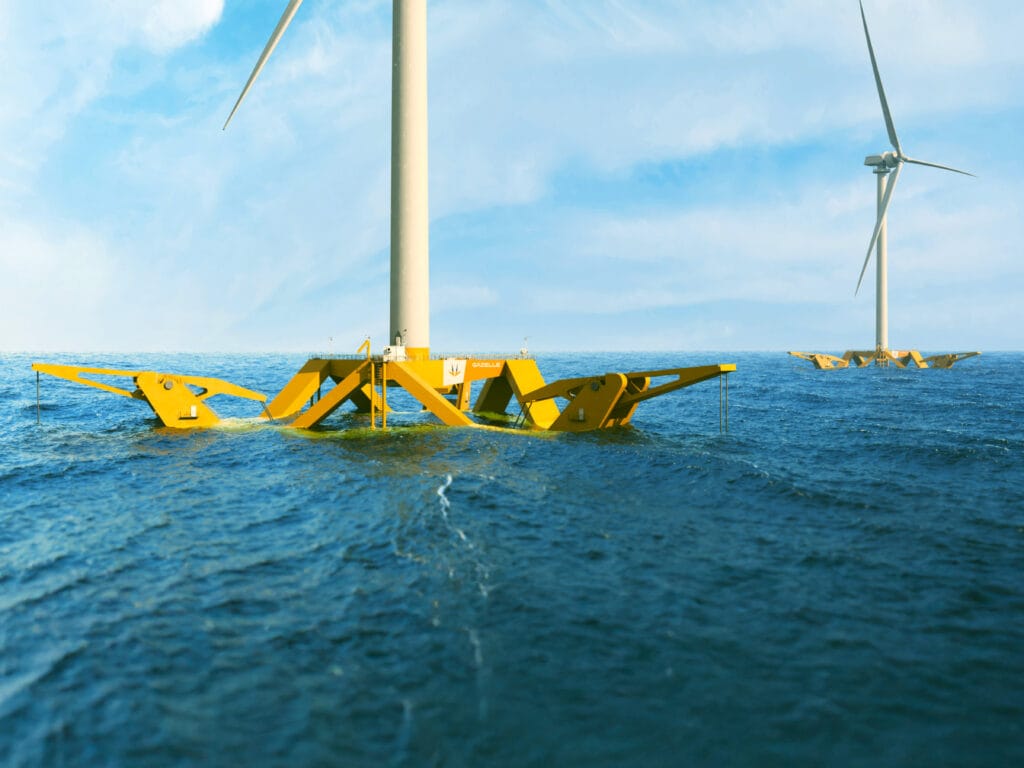
Gazelle Wind Power has developed a patented floating offshore wind platform and mooring system designed to keep very large wind turbines stable at sea. If a floating turbine tilts or moves too much, it cannot operate efficiently and may need to shut down. Our core innovation is separating buoyancy and stability functions. This allows us to use a more compact and lighter hull than traditional semi-submersible designs, while reducing mooring loads, seabed footprint and installation complexity.
A short visual explanation of the Gazelle principle is available here: Gazelle Principle.
We are now moving from technology development into industrial validation and commercialisation. Our flagship project is Nau Azul in Portugal, and we are also advancing larger international opportunities around next-generation 18 MW+ floating wind platforms. We are already generating revenue from our proprietary technology through a utility-contracted project based on Gazelle’s core IP.
Our current platform design and cost modelling suggest that Gazelle can be around 30% more cost-effective than conventional semi-submersible alternatives. In parallel, we are combining our hardware innovation with digital and AI-enabled engineering workflows to accelerate optimisation, certification, monitoring and future operations.
4. What makes your team that you are working with, special?
Floating offshore wind is highly multidisciplinary. It requires naval architecture, hydrodynamics, offshore engineering, mooring expertise, manufacturing, finance, regulation and commercial execution.
Gazelle brings these capabilities together in one team. The technology originated from deep hydrodynamics and naval engineering expertise and has since been developed into a broader industrial platform by a senior, international and multidisciplinary team with experience across offshore engineering, clean-energy finance, manufacturing and commercial development.
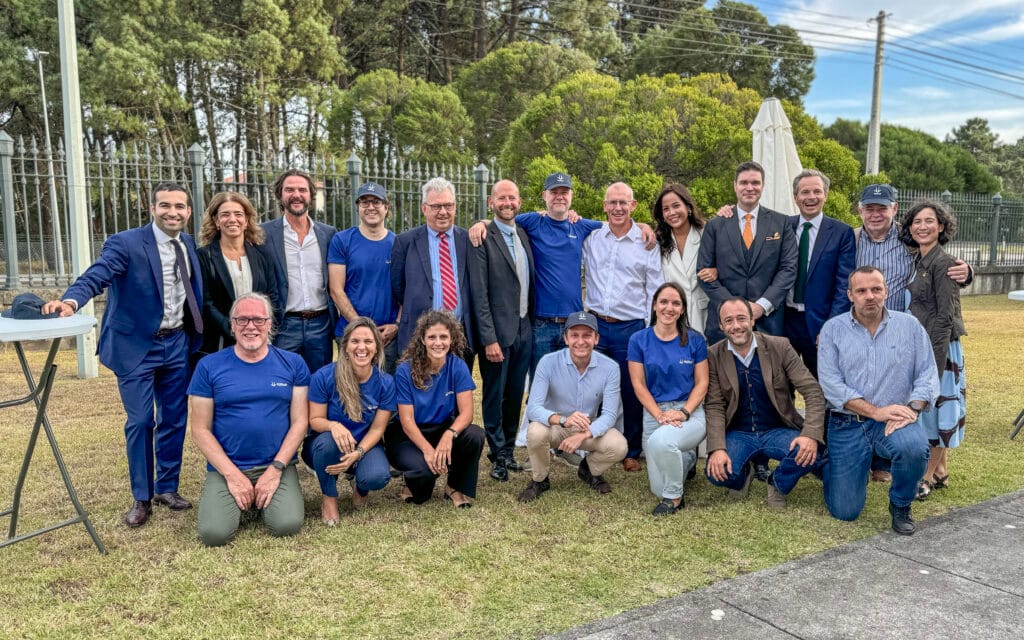
We are also supported by a strong Board and shareholder base. Our leadership and Board bring experience from organisations such as Mitsubishi Power, Iberdrola and Siemens Gamesa, while our key shareholders include Banco Português de Fomento (Portugal’s national infrastructure bank), Wah Kwong Maritime Holdings, Covalis Capital, Katapult Ocean, DST Group, August One and Indico Capital.
What also makes the team special is the shared sense of responsibility. Everyone understands the scale of the challenge we are trying to solve, and that creates strong intrinsic motivation and cohesion. That combination of technical depth, institutional backing and mission-driven execution is critical as we move from validation towards industrial deployment.
5. What is your view on our climate challenge and how do you want to contribute?
The climate challenge is also an energy, infrastructure and industrial challenge. The world will need much more clean electricity, not less energy. Decarbonisation, electrification, artificial intelligence, industrial competitiveness and energy security all point in the same direction: we need abundant, affordable and resilient clean power.
To stay on a credible path to net zero, offshore wind will need to scale dramatically. Industry bodies such as GWEC have highlighted that offshore wind deployment may need to reach the multi-terawatt scale by 2050 to support a 1.5°C pathway. Because much of the world’s offshore wind resource is located in deep waters, floating wind will be essential to achieving that scale.
Gazelle wants to contribute by making floating offshore wind more practical, competitive and bankable. If we can reduce cost and complexity, we can help turn deep-water wind into a major pillar of the global energy system.
6. What is your view on your sector and what is needed to accelerate change?
Floating offshore wind has enormous potential. In the next decade, the sector will move from bespoke demonstration projects towards repeatable, financeable and industrialised deployment models.
To accelerate change, technology must reduce cost and risk, governments must provide clearer project pipelines, and industrial collaboration must happen earlier. Developers, ports, shipyards, manufacturers, certifiers, insurers, investors and technology providers need to work together from the beginning.
This is also a question of energy sovereignty. In regions where domestic energy resources are limited but offshore wind resources are abundant, floating wind can become a strategic pillar of resilient, locally anchored clean power.
The sector will not be transformed by innovation alone. It will be transformed by innovation that is certifiable, insurable, manufacturable and financeable. Gazelle’s view is that the winning solutions will combine strong engineering performance with industrial simplicity.
7. What are some recent highlights that really make you proud?
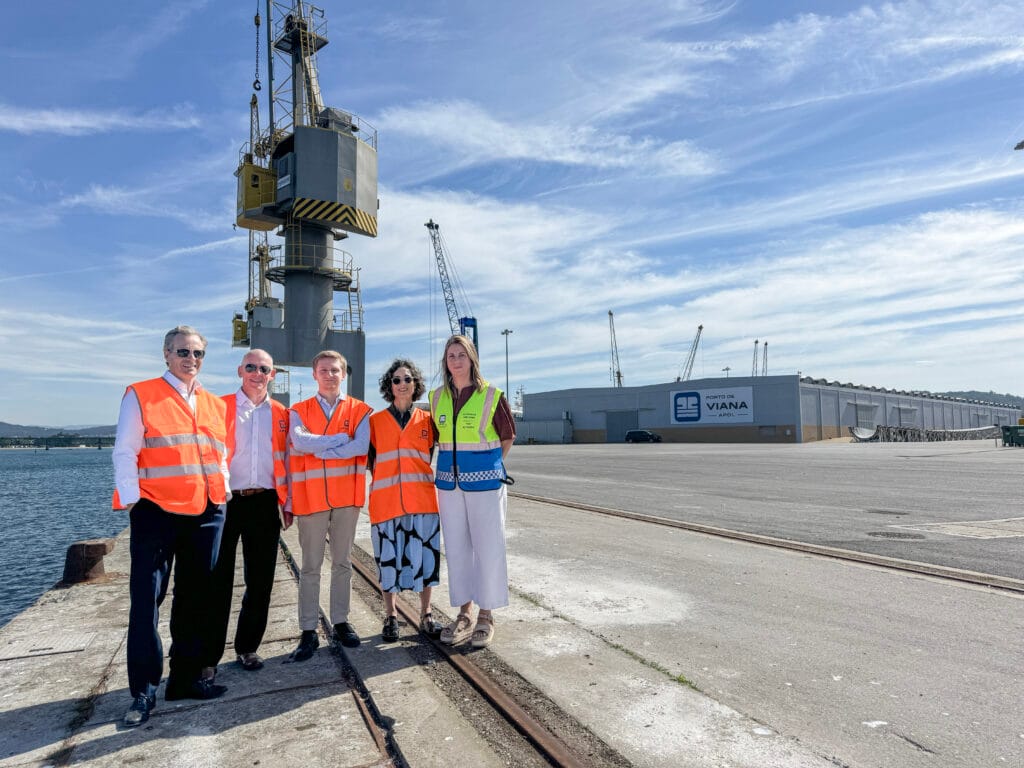
I am proud of the progress we have made with Nau Azul, our flagship project in Portugal. It is a strategic project in harsh Atlantic conditions that will help establish a repeatable model for commercial deployment in Europe.
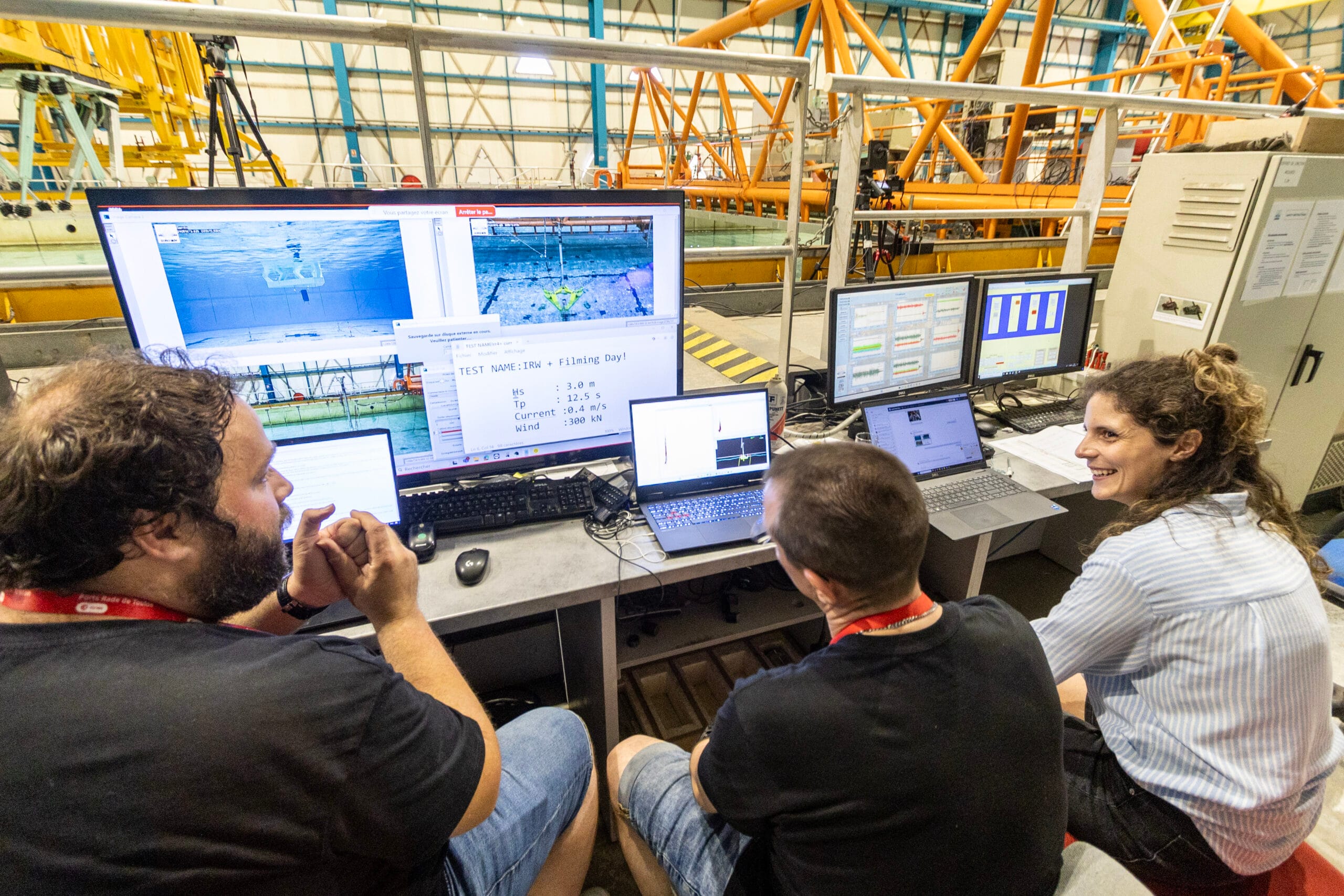
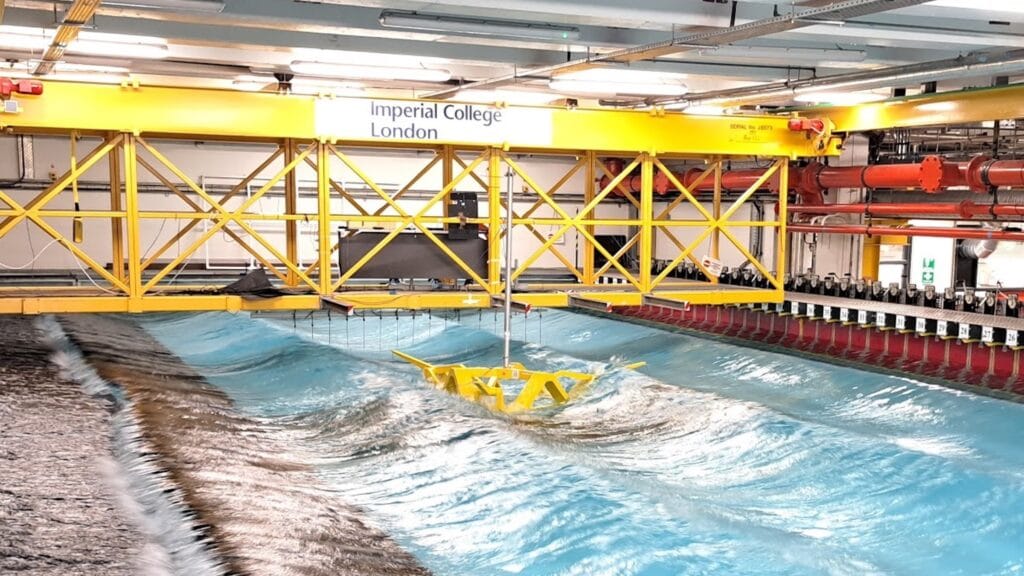
I am also proud of the team we have built and the validation journey they have helped drive. Gazelle’s technology has gone from an initial idea to basin test campaigns in Spain, the UK and France, and the design has received third-party certification through a DNV Statement of Feasibility.
More recently, we have seen important commercial momentum internationally, including a utility-contracted project in Asia based on Gazelle’s proprietary technology, designed for typhoon conditions and with commercial operation expected in 2028. That tells us the market is looking for scalable floating wind solutions that can reduce cost and move beyond early pilots based on legacy technologies.
8. What is the biggest challenge you see for your company to grow even faster?
The biggest challenge is aligning capital, industrial execution and project timelines at the speed required by a fast-emerging market with enormous global potential. We are helping create a new industry alongside our supply chain partners.
Deep-tech climate companies are different from pure software companies. We are building infrastructure technology. That means validation, certification, engineering, supply chains, public support, industrial partners and long-term capital all matter.
The opportunity is enormous. Capturing it requires discipline, focus over many years, and the ability to navigate uncertain market conditions. The energy transition will not be won by ambition alone. It will be won by technologies that make clean energy resilient, affordable and bankable.
9. Are there needs (network, funding, people) that our community could provide?
Yes. The Platform Zero community could be very helpful because it connects climate technology, corporates, investors, pilots, innovation hubs and industrial partners.
For Gazelle, the most valuable support would be introductions to aligned investors, strategic partners across offshore wind and marine engineering, and exceptional people who want to work at the intersection of climate, ocean infrastructure, artificial intelligence and renewable energy.
Floating offshore wind is not only a renewable energy opportunity. It is also a blue economy, energy security and industrial competitiveness opportunity.
10. What are the 3 inspiring startups/scale-ups you think we should interview next?
I would suggest three companies working on important parts of the climate, ocean infrastructure and technology transition.
Desolenator — because water scarcity is one of the defining climate adaptation challenges, and decentralised clean water solutions will be essential.
Kayak Analytics — because AI and advanced analytics will be critical for operating renewable energy and industrial assets more efficiently.
Blue Aspirations — because offshore wind will require better marine data, metocean measurement and subsea observation systems to reduce risk and accelerate deployment. This is highly relevant to the future of floating offshore wind and the broader blue economy.
Enthusiastic about Nexus Energy or interested in this topic? Then contact us at [email protected]!

Leave a Reply